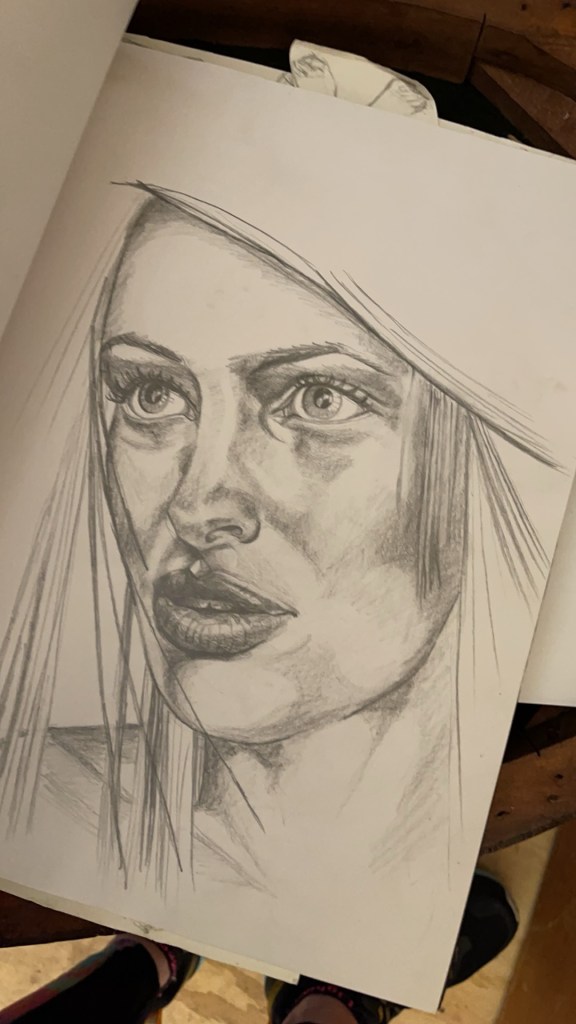
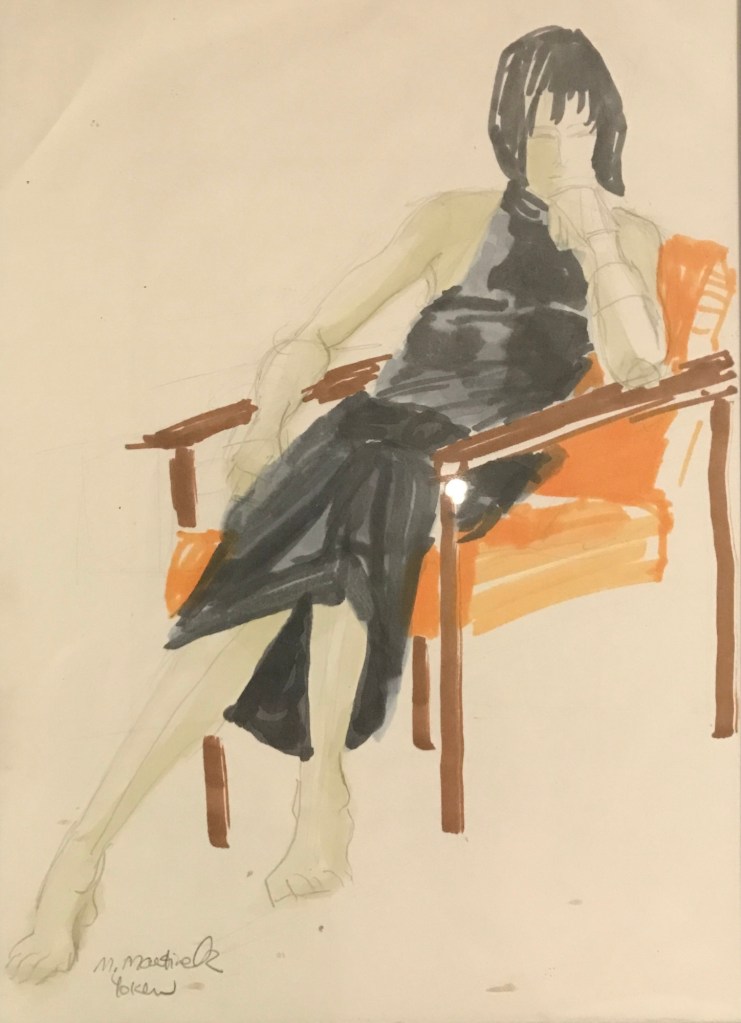
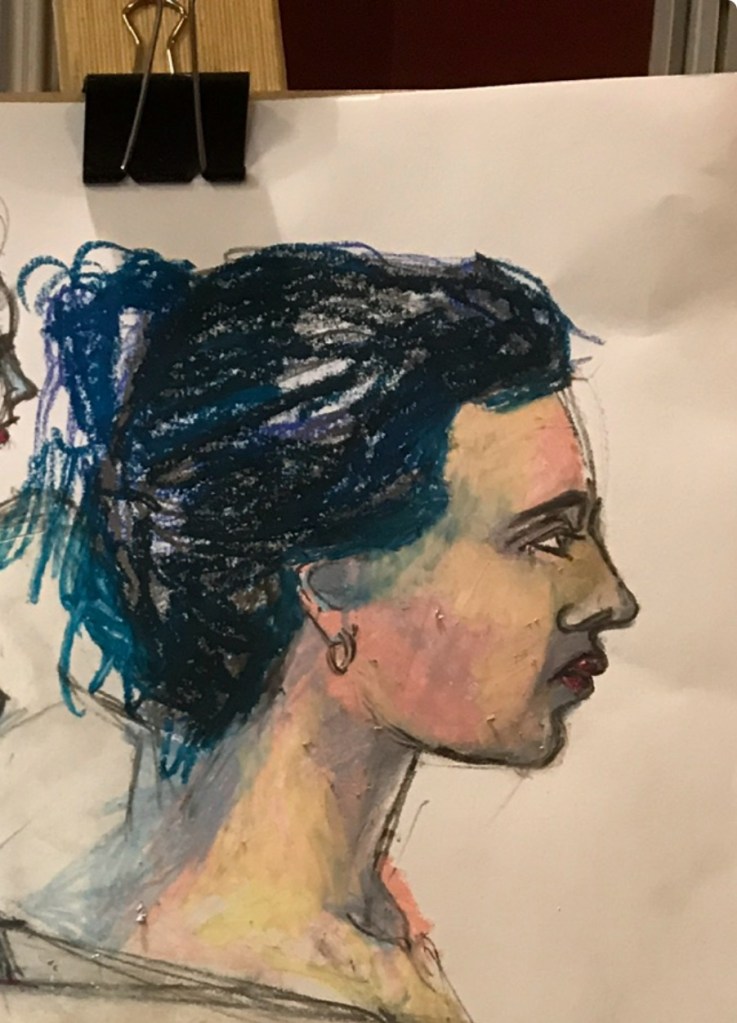
With no photography allowed, enter the courtroom sketch artists

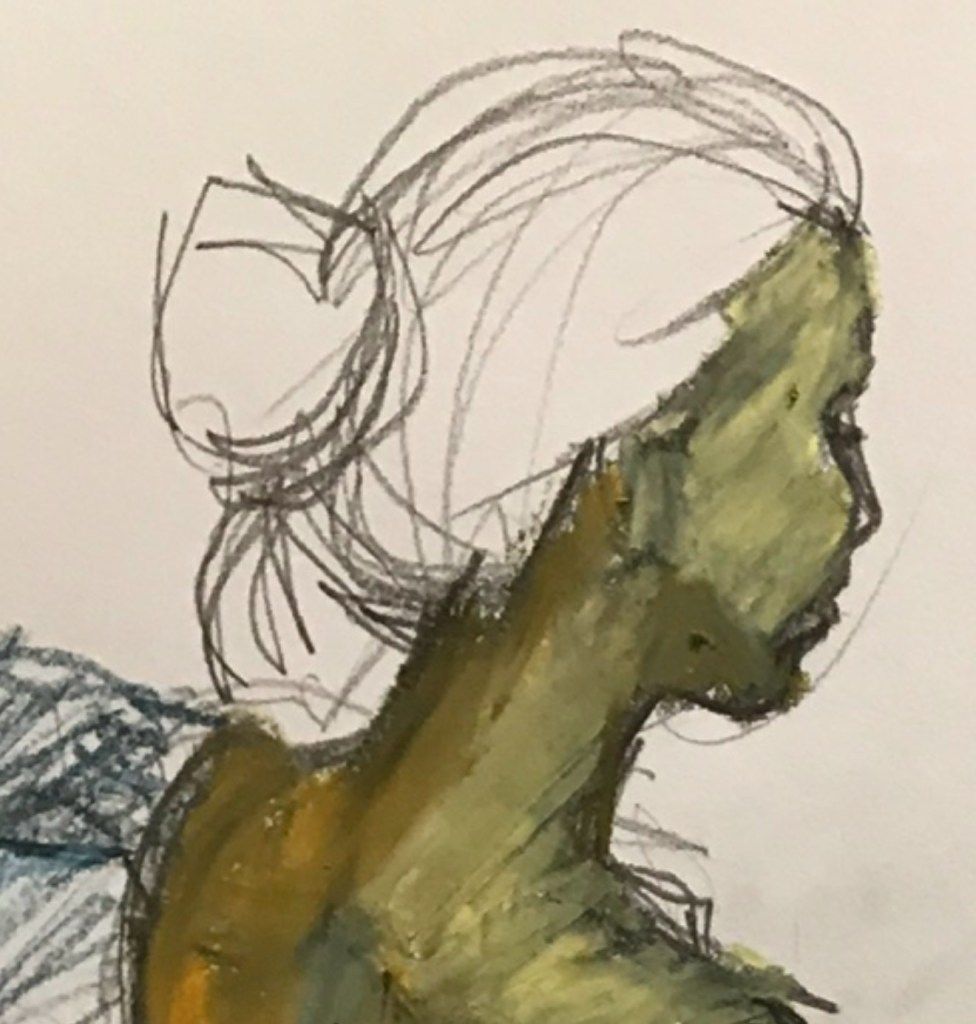
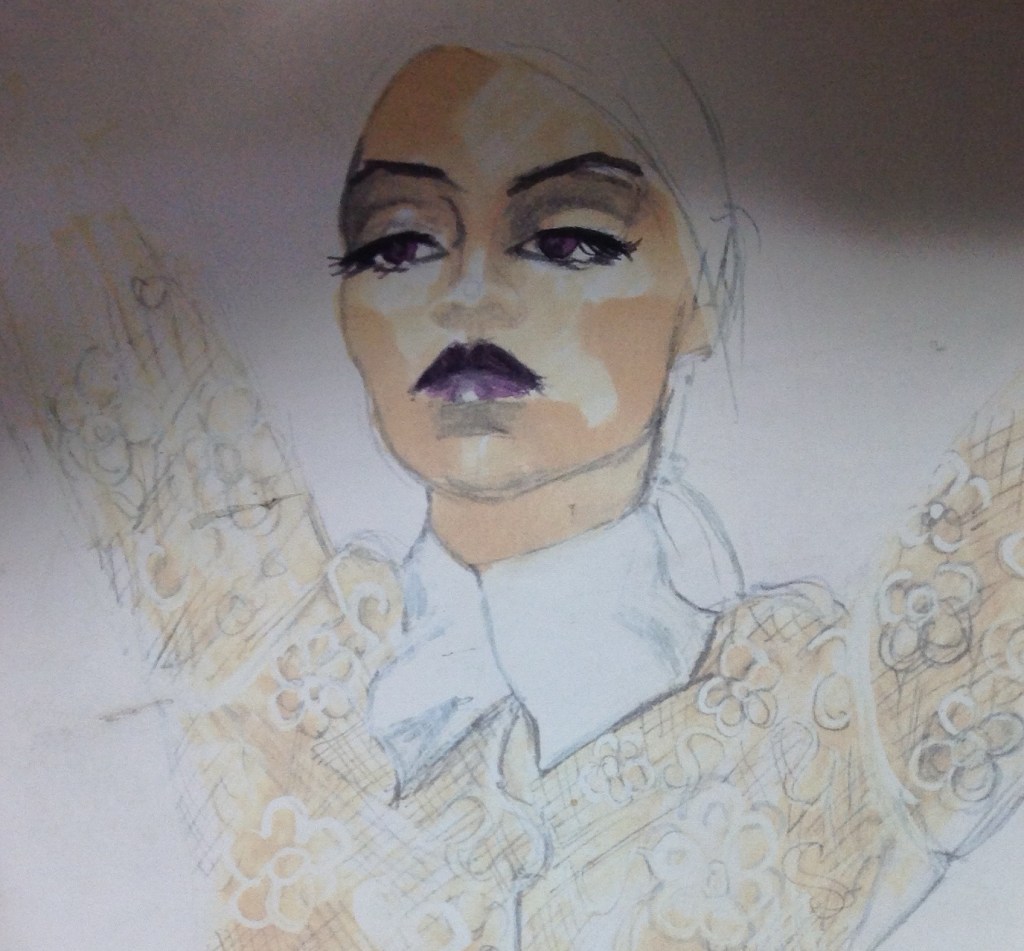
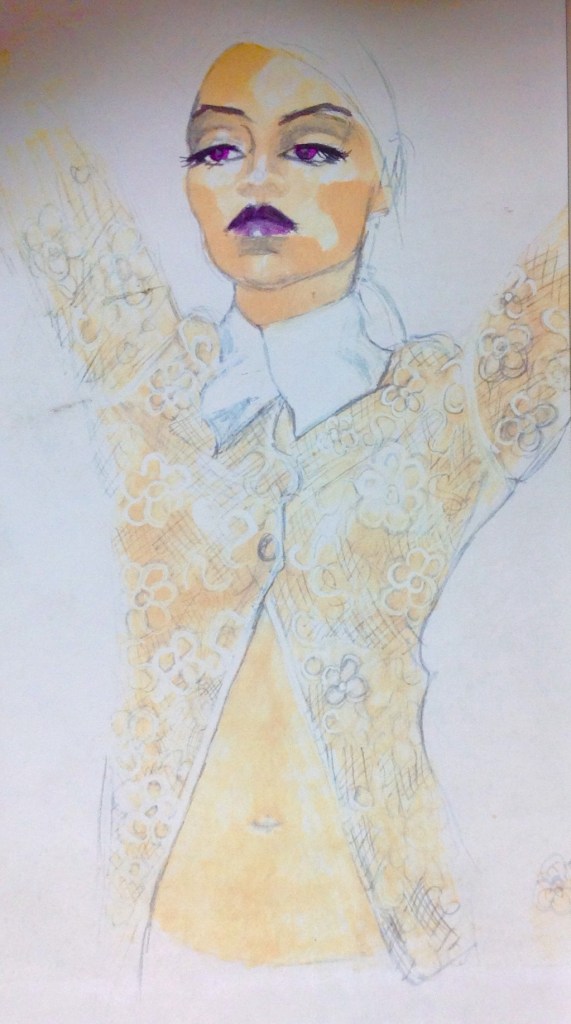
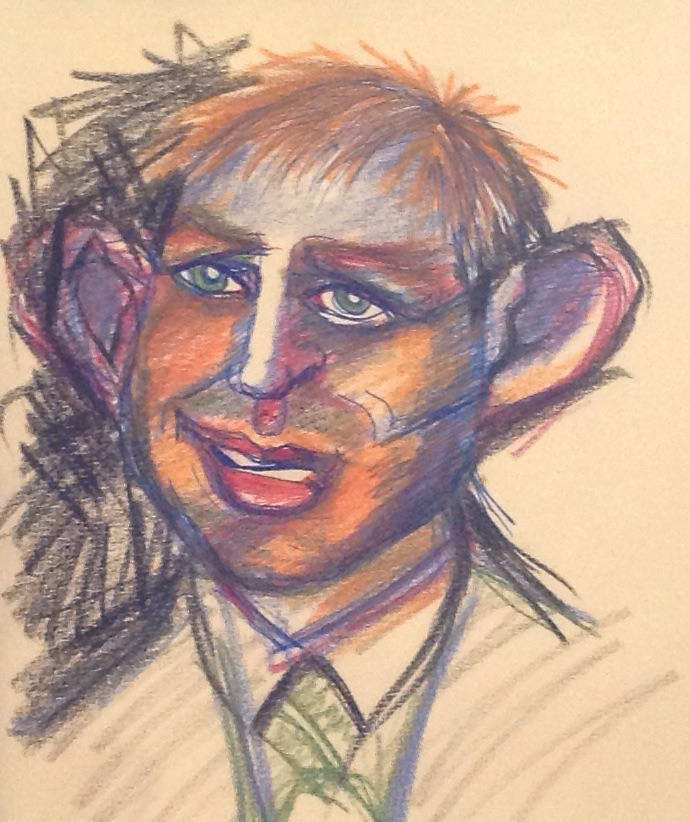
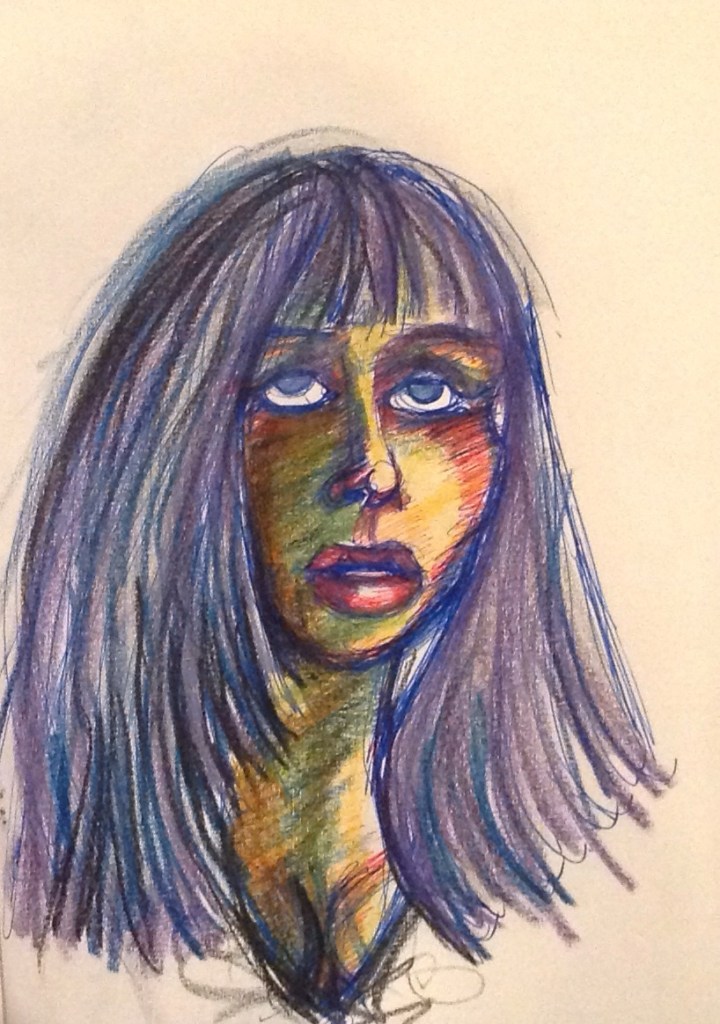
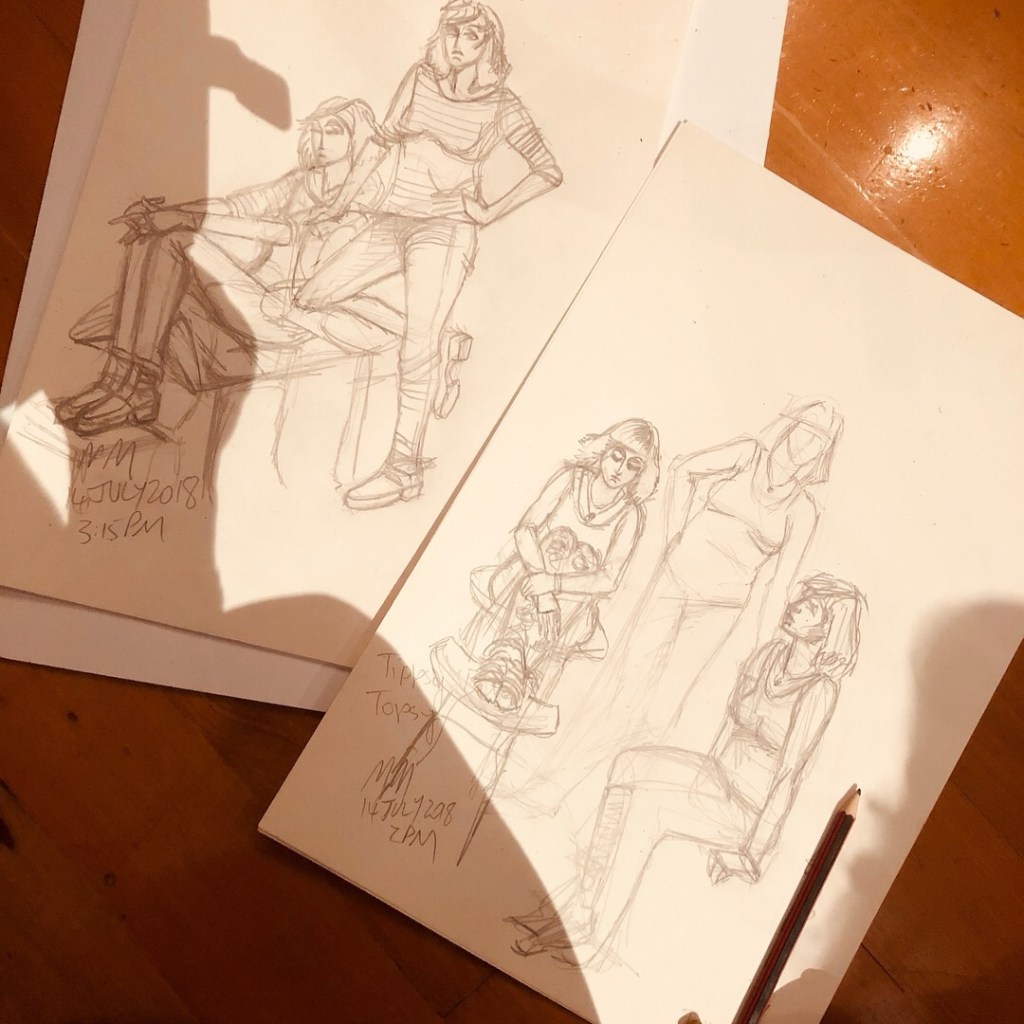
With cameras barred from the courtroom, my hand-drawn illustrations are often the only images the public sees of the accused and the proceedings. As a courtroom sketch artist working in Bendigo in 2025, Iโ€™ve seen firsthand how the role has shifted โ€” shaped by faster news cycles, digital publishing, and questions about privacy and fairness.

What does it mean to work in this space today, and how much longer will the tradition of courtroom illustration survive?

๐Ÿ‡ฆ๐Ÿ‡บ The Legacy of Loneliness ๐Ÿ‡ฆ๐Ÿ‡บ

๐Ÿ‡ฆ๐Ÿ‡บ The Legacy of Loneliness ๐Ÿ‡ฆ๐Ÿ‡บ

Every unit thatโ€™s marched and fought

Has ghosts of battles that time forgot.

For too many veterans the hardest test

Begins when theyโ€™re home, no longer dressed.

The uniform gone, the silence remains,

Loneliness cutting through heart and veins.

Bureaucracy tangled, finances strained,

Families fractured, trust hard to regain.

They stand in the crowd but feel apart,

A weight of service breaks the heart.

What once was mateship, shoulder to shoulder,

Becomes an emptiness, colder and colder.

But a legacy can be built anewโ€”

Connection forged by me and you.

At Rocky Vale Villa, the call is clear:

No veteran stands alone while weโ€™re here.

The opposite of loneliness is to belong,

A chorus of voices, steady and strong.

Because every sister, brother, mateโ€”

Deserves connection, not this fate.

So we promise, hand on hand

No one left behind in this land.

๐Ÿ‡ฆ๐Ÿ‡บ

Courtroom Illustration and Poems of Military Justice

Courtroom Illustration and Poems of Military Justice

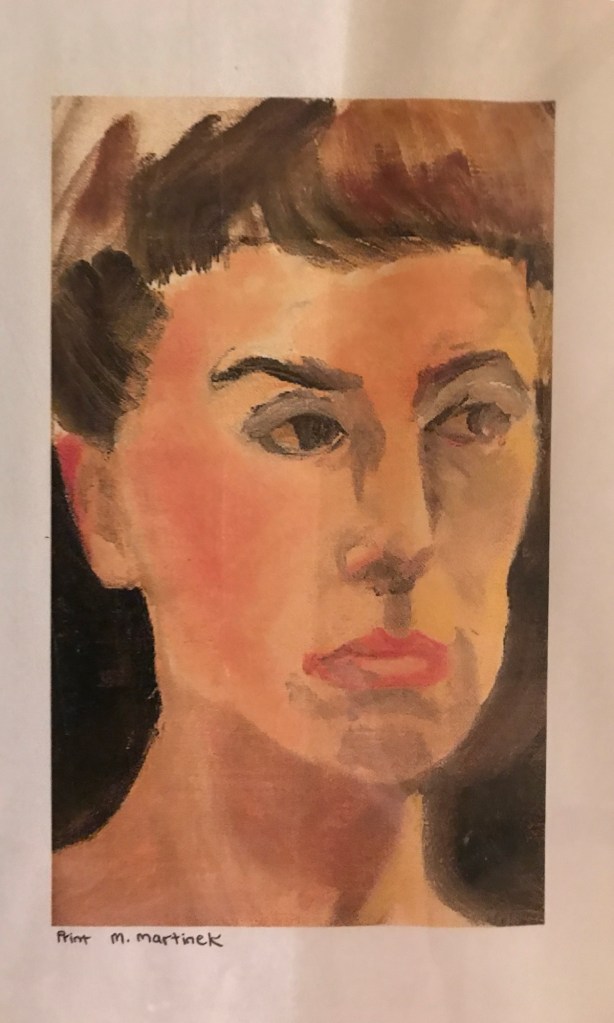
Artist Statement โ€“ former Major Mary-Ann Martinek 

As an Australian contemporary courtroom artist, I document moments where justice, humanity, and truth intersect. Working swiftly in spaces where cameras are forbidden, my drawings capture the fragile tension of trials โ€” fleeting expressions distilled into lasting testimony. Each illustration becomes an act of witness.

My poetry extends this same commitment to bearing witness. Written across decades of lived military experience, the poems examine hidden cultures within defence life โ€” unspoken codes, silences, betrayals, and the endurance of memory. Speaking out about harassment, secrecy, or abuse of power has always carried risk, yet these verses insist on remembrance.

Possum Stew explores the corrosive effects of bullying and corruption, where comradeship curdles into cruelty. Death of Officer Cadet โ€œFโ€ gives voice to trauma from sexual violence and institutional complicity, confronting the cost of enforced silence. Remember the Horses, published by the Australian Light Horse Association, honours the service animals left behind or destroyed after war, transforming their loss into a haunting meditation on loyalty and sacrifice.

Together, the drawings and poems form a practice of remembrance and resistance. Whether in the courtroom or on the page, my work seeks to honour those whose stories might otherwise be erased โ€” and to illuminate the fragile spaces where truth struggles to be heard.